Most people blame willpower when weight loss stalls. Here’s the thing: your biology runs the show, and it’s wired to defend against weight loss. That’s why two people can eat the same salad and get wildly different results—metabolism, hunger signals, and the way we store (or burn) energy all vary.
Right now, the most interesting shift in weight science isn’t about eating less. It’s about changing what your body does with the calories you already eat—especially through brown fat, the heat‑making tissue that behaves like a tiny internal space heater. And yes, GLP‑1 medications may do more than curb appetite. Early research suggests they might nudge your metabolic rate too.
- Brown fat activation may increase calorie burn by producing heat, especially in cool conditions.
- GLP‑1s (like semaglutide) don’t just reduce appetite—they may shift energy use and improve metabolic markers.
- Medication-driven weight loss can differ from dieting: trials are measuring resting and sleeping metabolic rate to see how.
- Counterintuitive: Eating enough protein can help you burn more—by preserving metabolically active lean mass.
- Track what matters: waist size, fasting glucose, liver enzymes, and energy levels—not just the number on the scale.
Medication vs. Diet: Why Metabolism Responds Differently
Picture this: you’re eating less, moving more, and the scale won’t budge. Classic dieting can lower resting metabolic rate as your body “defends” its weight—like a thermostat turning the heat down. That’s partly why losses slow after a few months and hunger ramps up.
Emerging studies in 2026 are asking a new question: does weight loss via GLP‑1s change metabolism differently than diet alone? One recruiting trial highlighted by TrialX is testing a combo therapy, CagriSema (cagrilintide + semaglutide), and directly measuring sleeping metabolic rate, resting metabolic rate, and 24‑hour energy expenditure to compare medication‑driven weight loss with a structured low‑calorie diet. The goal isn’t just pounds lost—it’s how the body burns energy while losing them.
We already have signals that these meds improve more than appetite. A 2021 trial in the New England Journal of Medicine on semaglutide reported meaningful weight loss alongside improvements in cardiometabolic risk factors, including waist circumference and blood pressure—markers tied to visceral fat and overall metabolic health. That suggests the “quality” of weight loss may be different when physiology, not willpower, leads.
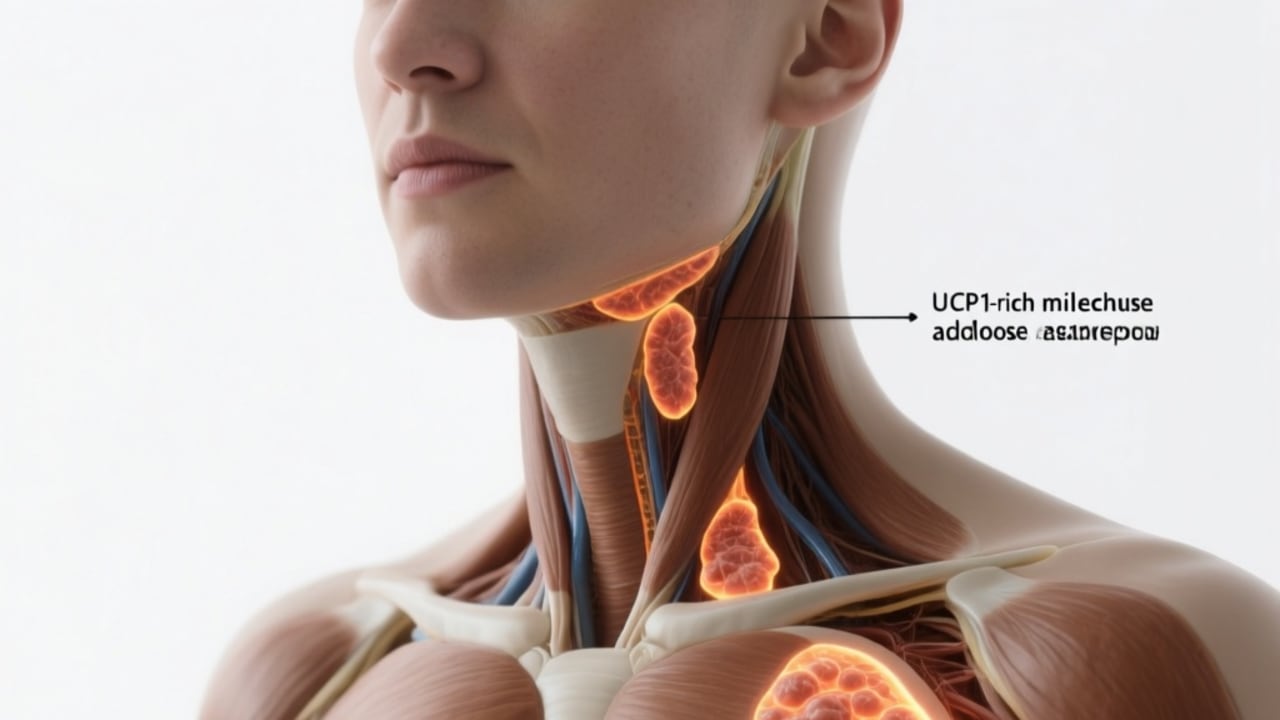
Brown Fat 101: Your Built‑In Calorie Sink
White fat stores energy. Brown fat spends it. Think storage closet versus space heater. Brown adipose tissue (BAT) burns calories to generate heat—especially when you’re a bit cold—thanks to a protein called UCP1. For years, people assumed adults didn’t have meaningful BAT. Then imaging changed the story.
A landmark 2009 NEJM imaging paper confirmed metabolically active brown fat in adults, which opened the door to “can we turn this on?” Since then, early human studies have shown that mild cold can activate BAT, and preclinical work suggests hormones and the nervous system influence it too. Some animal research and early translational findings point to GLP‑1 signaling as a possible nudge toward thermogenesis—though the human data are still developing and need larger, longer trials.
Here’s the real kicker: if BAT activity rises, your baseline energy burn might tick up without you noticing—less “eat less, move more,” more “teach the body to waste a little heat.” That’s subtle, not dramatic, but over months it matters.
What to Track (Beyond the Scale)
Most people have been there—celebrating five pounds down, then feeling defeated when it creeps back. The scale is a blunt tool. Metabolic health is about where fat sits and how your organs are doing. Visceral fat (around organs) and liver fat carry more risk than the pinchable stuff under the skin.
That’s why current obesity research is pushing outcomes that matter: waist size, glucose control, liver enzymes, and liver stiffness. An industry review in Drug Discovery World (2026) highlighted that GLP‑1–based and related therapies have shown reductions in waist circumference, improvements in glucose, and meaningful changes in liver fat—with minimal impact on lean mass in some analyses. Separately, a 2022 Lancet Diabetes & Endocrinology MRI substudy reported that tirzepatide substantially reduced liver fat content versus comparator therapy, reinforcing the focus on organ health, not just weight.
And while we await head‑to‑head data on energy expenditure, the conversation is shifting: weight care isn’t a cosmetic project. It’s a metabolic condition with measurable, trackable biomarkers you can discuss with your clinician.

Tools, Not Shortcuts: Using GLP‑1s Responsibly
Public perception can get noisy—are GLP‑1s a “shortcut”? Experts caution against that framing. As one 2026 industry commentary put it, obesity is a chronic metabolic disease, and the goal is health outcomes, not aesthetics. That’s pushing development toward precision treatment and better communication grounded in science and safety.
Real life looks like this: some people do best with nutrition and training changes; others may benefit from medication, especially with complications like prediabetes or fatty liver. An IQVIA 2026 outlook noted that people who continued medical treatment tended to maintain more of their weight loss than those who plateaued and stopped—one more reason to see these tools as part of longer‑term care, ideally paired with lifestyle supports.
That said, there’s no free lunch. Side effects, supply issues, and the need for monitoring are real. The smartest plan is individualized and supervised—aligned with your labs, your habits, and your goals.
Why This Matters
If you’ve ever thought “my metabolism is broken,” this is your reframe. Your body isn’t failing—it’s protecting you. The emerging science just gives you more levers to pull, from strength training and sleep to, for some, medications that quiet hunger and may nudge energy burn.
“You’re not chasing a smaller number—you’re building a healthier engine.”
What does that mean for your Monday morning? You can start measuring success by how you feel, how your labs look, and how your clothes fit around the waist—while staying curious about tools that support your biology rather than fight it.
What You Can Do Today
- Lift 2–3x weekly to protect lean mass. Preserving muscle may help maintain resting metabolic rate during weight loss.
- Aim for 1.2–1.6 g/kg/day of protein (if appropriate for you). Research suggests higher protein supports satiety and energy burn via the thermic effect of food.
- Try brief, safe cool exposure (e.g., 1–3 minutes of a cool shower finish or a chilly walk with gloves/hat). Early data suggest mild cold may activate brown fat; start gradually and skip if you have cardiovascular issues—ask your clinician first.
- Prioritize 7–9 hours of sleep. Short sleep can raise hunger hormones and lower next‑day activity, which may blunt metabolic goals.
- Track waist circumference, fasting glucose, and liver enzymes with your clinician. These may reflect deeper metabolic changes than weight alone.
- Considering GLP‑1s? Discuss candidacy, risks, costs, and a long‑term plan with your doctor. Medications work best paired with habits you can keep.
A note on expectations
Brown fat isn’t a switch you flip, and no medication guarantees results. But nudging several small levers—muscle, sleep, protein, movement, and for some, medical therapy—can add up to meaningful change over time.
If this resonated, pass it to the friend who’s “tried everything.” Small, smart shifts beat heroic willpower—especially when your biology is finally on your side.
Frequently Asked Questions
Mild cold exposure—like finishing a shower cool for 1–3 minutes or walking outside without overbundling—may help, but start gradually. If you have cardiovascular or thyroid conditions, talk to your clinician first. Resistance training and adequate protein also support metabolism by protecting lean mass.
Early research suggests GLP‑1s may reduce appetite while preserving or even modestly improving metabolic markers compared with diet alone, but hard data on resting metabolic rate are still emerging. Ongoing trials are measuring energy expenditure directly; ask your clinician how this applies to you.
Waist circumference, fasting glucose or A1C, liver enzymes, blood pressure, energy levels, and how clothes fit can be useful. Your clinician may also monitor liver fat or visceral fat via imaging if appropriate.